Call anytime+234 810 159 9159
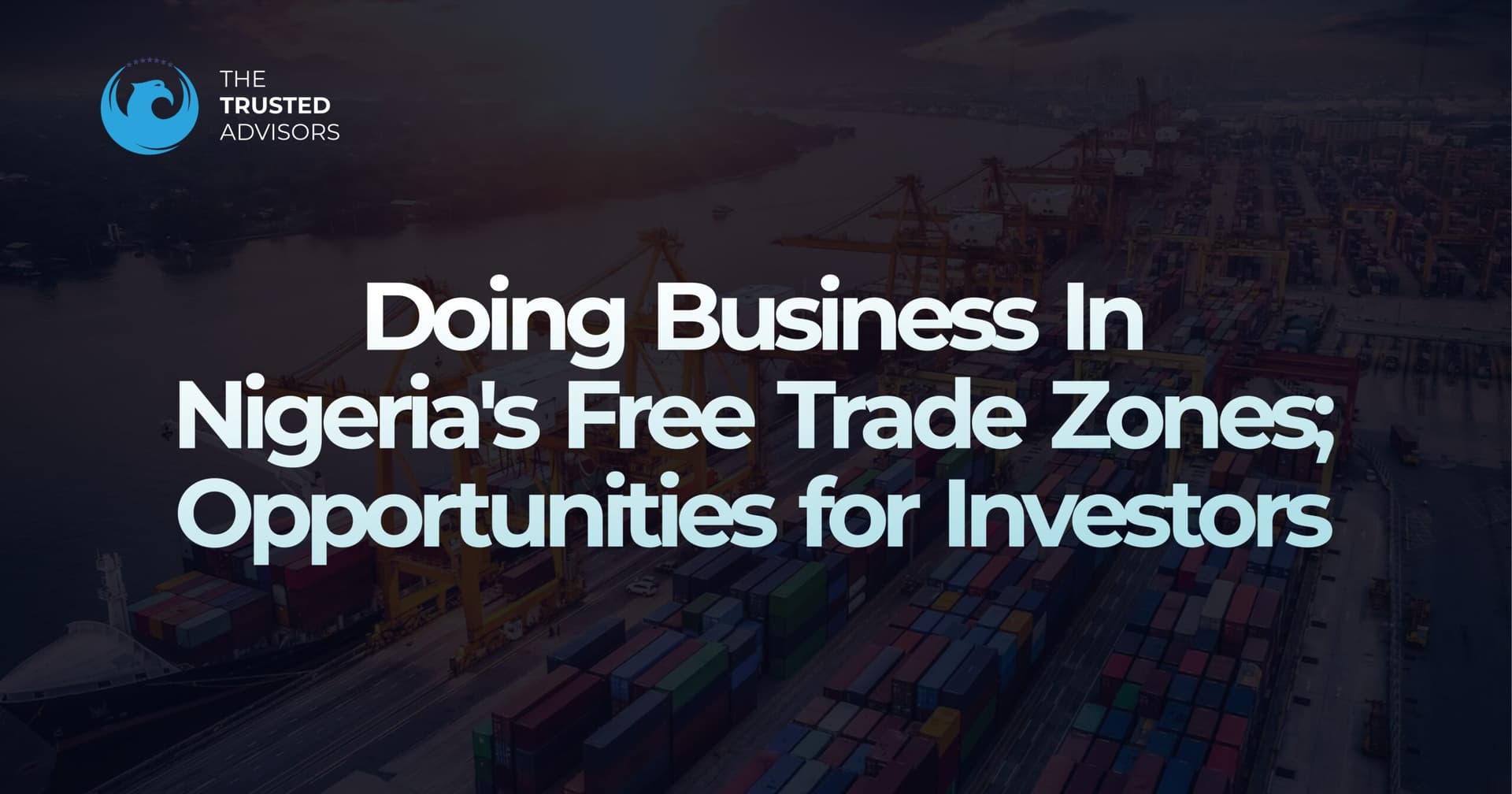
Recently, The Punch newspaper, in its October 24, 2024 publication, reported that four of Nigeria’s free trade zones (FTZs) have attracted a combined investment of $8 billion during their years of operation (The Punch, 2024). This milestone underscores the zones’ critical role in boosting local economic activity and strengthening international trade relations.
The special privileges that accompany FTZs, such as tax incentives, access to strategic markets, ease of doing business, and promotion of market diversification, have proved to be a magnet for attracting foreign businesses and companies, increasing job opportunities for locals within Nigeria, and fostering economic growth within the country. Currently, Nigeria operates about 42 free trade zones, creating an enabling environment for companies to thrive and offering opportunities for businesses to engage in unrestricted trade (NEPZA, 2023). Over the years, these trade zones have contributed to several organizations’ success stories, with foreign and local investors leveraging the advantages of these zones to achieve remarkable growth and profitability.
Key benefits of operating in Free Trade Zones include:
The Lekki Deep Sea Port and Dangote Refinery, situated in Nigeria’s Free Trade Zones, are transformative projects that have significantly advanced economic growth and industrialization.
The Lekki Deep Sea Port, located in the Lekki Free Trade Zone, was developed through a joint venture of the China Harbour Engineering Company (CHEC), Tolaram Group, Lagos State Government, and the Nigerian Ports Authority (Lekki Port LFTZ Enterprise, 2024). The port spans 90 hectares and is projected to create over 170,000 jobs while contributing $250 billion to the government’s revenue. The port enhances Nigeria’s global competitiveness in shipping and logistics, reduces port congestion, and attracts foreign investment (NPA, 2023).
The Dangote Refinery, although owned by the Dangote Group, is another organization worth mentioning. The refinery, located in the southeast area of the Lekki Free Trade Zone, is the world’s largest single-train refinery. It is projected to create over 135,000 permanent jobs and contribute to increasing Nigeria’s GDP, saving billions in oil import costs, and ensuring energy self-sufficiency (Dangote Group, 2024). The refinery will eliminate Nigeria’s dependence on imported refined petroleum products, boosting industrial growth (NNPC, 2023).
In both cases, the companies have effectively leveraged Free Trade Zone incentives to tackle critical economic challenges, delivering significant benefits to the host regions while creating substantial value for the investors.
Article written by: The Trusted Advisors; a premier full-service law firm in Nigeria providing tailored legal solutions for global investors
Contact: info@trustedadvisorslaw.com, ooo@trustedadvisorslaw.com