
Call anytime+234 810 159 9159
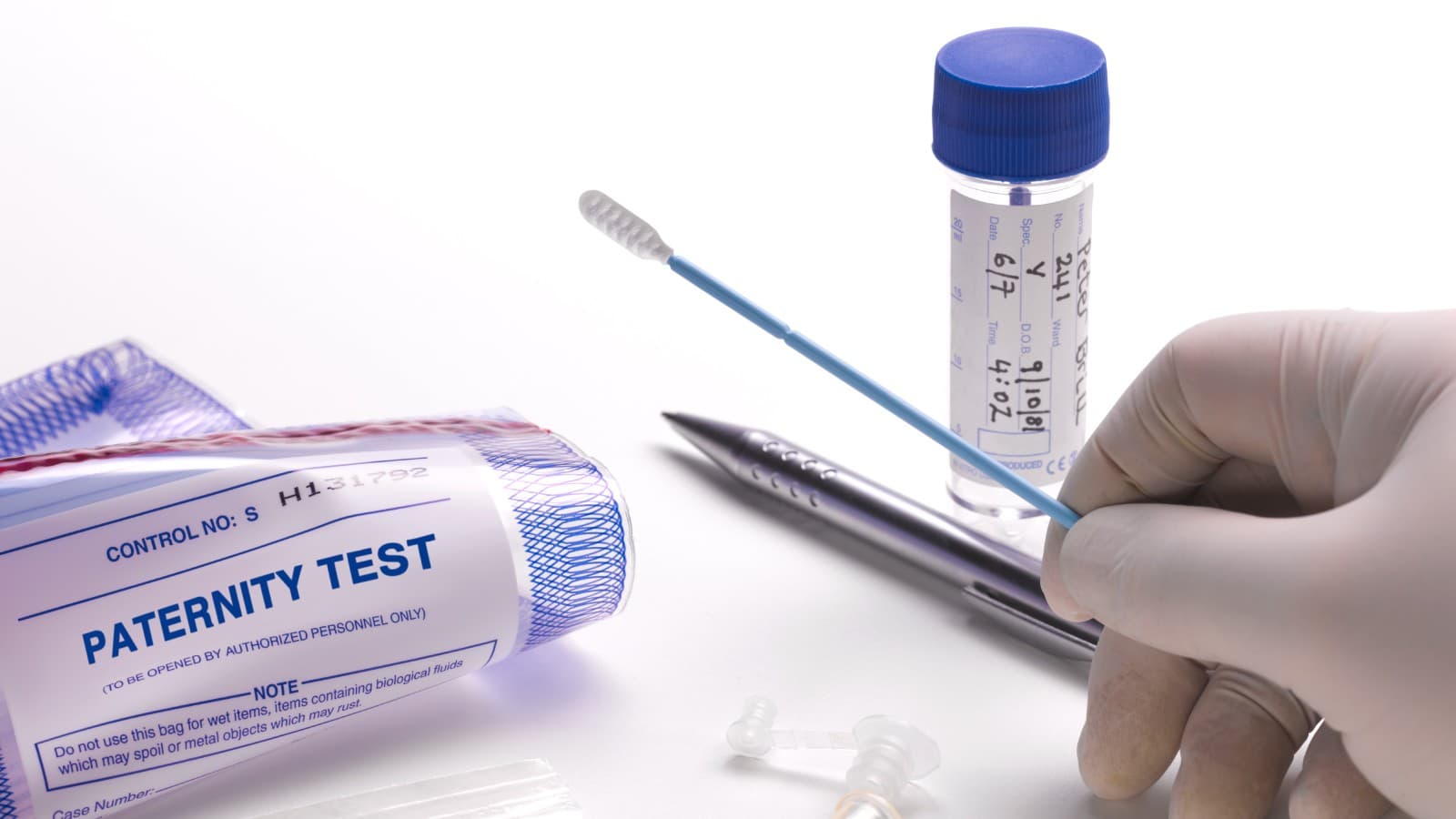
Paternity fraud, which is the deliberate misrepresentation of a child’s biological father, has serious legal, financial, and emotional repercussions. Although the problem is widespread, different countries have quite different approaches to dealing with it, influenced by things like cultural norms, legal systems, and access to paternity testing. Recent statistics indicate that over 27% of men in Nigeria who get DNA testing find that they are not the biological fathers of their presumed children[i]. Comparing this percentage to studies in the UK, which show fake paternity in roughly 2% to 5% of tested instances[ii], and the US, where estimates vary from 4% to 10% based on methodological and demographic factors[iii], the rate is much higher.
Paternity fraud has established legal channels in many Western jurisdictions, allowing impacted parties to contest child support duties or pursue damages[iv]. Nigeria, on the other hand, does not have any explicit laws that make paternity fraud illegal; therefore, victims have few legal options. This problem is made worse by sociocultural beliefs that dissuade DNA testing, which makes it more difficult to settle disagreements about biological parentage[v]. In light of this, policymakers and the broader legal system must give the legal issues surrounding DNA testing in paternity cases in Nigeria immediate consideration.
LEGAL FRAMEWORK FOR DNA TESTING
The Nigerian legal system lacks direct legislation criminalizing paternity fraud. Instead, affected individuals must navigate general fraud laws, child custody regulations, and family law provisions[vi]. In Nigeria, the legal framework for establishing paternity through DNA testing involves both statutory and customary laws. The relevant laws include:
– The Child’s Rights Act 2003 (CRA): The CRA protects the rights of all children in Nigeria and includes provisions for determining parentage. While sections of the Matrimonial Causes Act (2004) and the Child Rights Act (2003) govern child custody and parental responsibilities, these laws do not explicitly provide remedies for paternity fraud cases.
– The Evidence Act (EA): The EA provides guidelines for the admissibility of evidence, including DNA tests, in court.
– Customary Laws: In some communities, customary laws may also influence the process of establishing parentage.
ESTABLISHING PATERNITY UNDER NIGERIAN LAW[vii]
a. Presumption of Paternity in Marriage: Under Nigerian law, a child born during a marriage is generally presumed to be the child of the husband. This presumption applies under both statutory and customary law. However, this presumption can be challenged if evidence is provided that proves otherwise. In cases where a man denies paternity, courts may order DNA testing as evidence.
b. Voluntary Acknowledgment of Paternity: When a child is born out of wedlock, a father can establish paternity by signing an acknowledgment of paternity. This voluntary acknowledgment often occurs at the child’s birth registration, allowing the father to be named on the child’s birth certificate. However, if a father later denies paternity, legal proceedings may be initiated to confirm or refute the claim.
c. Paternity Disputes and DNA Testing: In cases where paternity is disputed, DNA testing serves as a scientific method to confirm the biological relationship between a father and child. The Evidence Act permits DNA testing results as admissible evidence, making it a preferred choice in family court. However, there is a growing need for a standardized approach to ensure the availability and reliability of DNA testing in Nigerian legal proceedings.
d. Judicial Determination of Paternity: In situations where paternity is contested, individuals may seek a judicial declaration from a family court. Judicial determination involves presenting evidence, such as DNA results, testimonies, and affidavits, to establish paternity. The court then makes a decision based on the presented evidence.
PROOF OF PATERNITY THROUGH DNA TEST IN NIGERIA
In family law proceedings in Nigeria and the world at large, paternity disputes are a frequent problem. The development of sophisticated Deoxyribonucleic Acid (DNA) testing technologies has had a considerable impact on the resolution of paternity disputes[viii].
Where a person is a minor (not an adult) and his paternity is in issue, the court can order the conduct of a DNA test in the overall interest of the child, to ascertain where he belongs. This is in line with the decision of the court in the cases of TONY ANOZIA V. MRS. PATRICIA OKWUNWA NNANI & IGNATIUS “NNANI” (2015) 8 NWLR (PT. 1461) 241 and Peace Izontimi v Steven Izontimi (2017) LPELR-45004 (CA)
CONSENT FOR DNA PATERNITY TESTING[ix]
In the context of DNA paternity testing, consent refers to the voluntary agreement of all relevant parties to proceed with the collection and analysis of DNA samples. This is not merely a procedural formality; it is a fundamental legal and ethical safeguard. Without consent, obtaining or testing someone’s DNA constitutes a violation of their privacy and personal rights. Such actions can lead to legal disputes, damage to personal relationships, and significant emotional distress. Paternity testing reveals deeply personal information about biological relationships; every individual whose DNA is to be tested has the right to make an informed decision about participating.
CHALLENGES OF DNA TESTING IN PATERNITY DISPUTES
While DNA testing is widely regarded as the most reliable method of determining biological parentage, its use in paternity disputes is not without challenges. These difficulties are often legal, ethical, cultural, and practical in nature, and can significantly influence whether and how testing is conducted.
CONCLUSION
DNA testing has revolutionized the settlement of paternity disputes by providing previously unachievable scientific accuracy. However, it is impossible to ignore the difficult moral, legal, and societal issues that are brought up by its use. The technology is trustworthy in and of itself, but the procedures pertaining to permission, privacy, admissibility of evidence, and child welfare need to be carefully regulated and upheld by the law.
In order for DNA testing in paternity cases to be both just and equitable, judicial systems must balance the preservation of fundamental rights with scientific reality. This necessitates extensive law that covers privacy, consent, standards of proof, and child welfare protections. Public education is also required in order to overcome cultural opposition and encourage well-informed decision-making. In the end, the objective should be to guarantee that paternity testing is used to promote justice, safeguard family bonds, and preserve the dignity of all parties concerned, in addition to being a tool for verifying biological truths.
[i] Ojuroungbe, S. (2024, September 3). One in four paternity tests in Nigeria returns negative — Report. The Punch. Retrieved from https://punchng.com/one-in-four-paternity-tests-in-nigeria-returns-negative-report/
[ii] Turner, P., & White, C. (2021). Paternity testing and legal implications in the UK. British Journal of Family Law, 33(1), 87-102.
[iii] Anderson, B., & Ross, M. (2020). The impact of paternity fraud on families: A psychological analysis. Journal of Family Psychology, 34(3), 214-230.
[iv] Miller, R., & Johnson, S. (2022). Legal perspectives on paternity fraud: A comparative analysis. Journal of Legal Studies, 19(4), 301–318.
[v] Oblong Media Unlimited. (2024, September 2). Paternity fraud in Nigeria: An overview. Retrieved from https://oblongmedia.net/2024/09/02/paternity-fraud-in-nigeria-an-overview/
[vi] LawPavilion Blog. (2024). Is paternity fraud actionable under the law? Retrieved from https://lawpavilion.com/blog/is-paternity-fraud-actionable-under-the-law/
[vii]https://chamanlawfirm.com/establishing-paternity-and-maternity-under/#:~:text=Presumption%20of%20Paternity%20in%20Marriage,order%20DNA%20testing%20as%20evidence. accessed August 14, 2025
[viii] Proof of Paternity through DNA test in Nigeria https://aekleysolicitors.com/proof-of-paternity-through-dna-test-in-nigeria/ accessed August 13, 2025
[ix] https://oncogenomics.com.ng/consent-for-dna-paternity-testing/ accessed August 14, 2025
[x] Human Tissue Act 2004 (UK).
[xi] Human Tissue Act 2004, s 45.
[xii] Ojuroungbe O, ‘Paternity Fraud in Nigeria: Cultural and Legal Implications’ The Guardian (Lagos, 12 March 2024).
[xiii] Anderson E and Ross M, ‘The Psychological Impact of Paternity Disputes’ (2020) 34 Journal of Family Psychology 415
[xiv] Oblong Media Unlimited, DNA Testing in Nigeria: Facts and Figures (Oblong Media 2024).
[xv] Miller R and Johnson P, ‘DNA Evidence in Family Law Proceedings’ (2022) 48 International Journal of Law, Policy and the Family 203
Written by Muhiz Adisa & Kareema Muhammed for The Trusted Advisors
Email us: info@trustedadvisorslaw.com