Call anytime+234 810 159 9159
Nigeria’s startup ecosystem is one of the most dynamic in Africa, attracting both local and international investors. However, understanding the regulatory landscape can be challenging, especially for new businesses unfamiliar with the specific requirements of their industry.
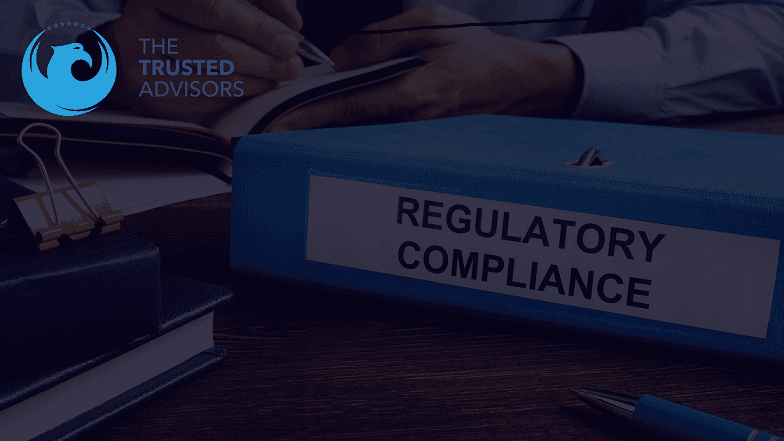
Regulatory compliance is not just a legal obligation; it’s also crucial for building trust with customers, investors, and partners. Failure to comply with regulations can lead to fines, legal disputes, or even the closure of your business.
This article provides a sectorial overview of regulatory compliance for startups in Nigeria, highlighting key regulations across various industries, offering practical advice, and addressing some of the most common questions entrepreneurs have about compliance.
Regulatory compliance involves adhering to the laws, guidelines, and specifications relevant to your business. In Nigeria, these regulations are designed to ensure fair competition, protect consumers, and maintain industry standards. For startups, compliance can be particularly important for securing funding, as investors often require proof that a business is operating within the legal framework.
According to a 2023 report by the National Bureau of Statistics (NBS), regulatory issues are among the top five challenges faced by Nigerian startups, affecting nearly 30% of new businesses. Understanding the specific compliance requirements for your industry is essential for avoiding legal pitfalls and fostering long-term success.
Before diving into sector-specific regulations, it’s essential to understand the major regulatory bodies that oversee business activities in Nigeria:
Legal Considerations: How to Launch a Startup and Attract Investors
The tech sector, particularly fintech, has seen explosive growth in Nigeria. But this growth comes with stringent regulatory oversight. Startups in this space must comply with the regulations set by the Central Bank of Nigeria (CBN) and the Securities Exchange Commission (SEC).
According to the CBN, the fintech sector in Nigeria has attracted over $1 billion in investment since 2020, underlining the importance of regulatory compliance for securing investor confidence.
The healthcare and pharmaceutical industries are heavily regulated by the National Agency for Food and Drug Administration and Control (NAFDAC) and the Medical and Dental Council of Nigeria (MDCN).
The agricultural sector is a cornerstone of Nigeria’s economy, and startups in this field must navigate regulations set by multiple agencies, including NAFDAC and the Standards Organization of Nigeria (SON).
According to the Nigerian Bureau of Statistics, agriculture contributed 26.36% to Nigeria’s GDP in the third quarter of 2023, making regulatory compliance in this sector critical for economic growth.
Startups in the energy sector, particularly those involved in renewable energy, must comply with regulations set by the Nigerian Electricity Regulatory Commission (NERC) and the Federal Ministry of Environment.
You May Also Like:
Leading Startup Law Firm in Lagos, Nigeria
Top ICT and Media Law Firm in Lagos, Nigeria
Leading Startup Law Firm in Abuja, Nigeria
How to Hire Employees for a Startup in Nigeria
Contractual Agreements Every Nigerian Startup Should Have
Legal Considerations for Franchising Your Business in Nigeria
10 Common Pitfalls Nigerian Startups Face and How to Avoid Them
What are the regulatory requirements for starting a fintech company in Nigeria?
To start a fintech company in Nigeria, you must obtain the necessary licenses from the Central Bank of Nigeria (CBN) and the Securities Exchange Commission (SEC), such as a Payment Service Provider (PSP) license or a Microfinance Bank (MFB) license. Compliance with the Nigeria Data Protection Regulation (NDPR) and Anti-Money Laundering (AML) laws is also mandatory.
How do I register a pharmaceutical product in Nigeria?
Registering a pharmaceutical product in Nigeria involves submitting an application to the National Agency for Food and Drug Administration and Control (NAFDAC). The process includes product testing, inspection of manufacturing facilities, and meeting labelling requirements.
What licenses are required for an agricultural startup in Nigeria?
An agricultural startup in Nigeria must obtain various licenses, including a business registration with the Corporate Affairs Commission (CAC), food safety certification from NAFDAC, and environmental compliance approvals under the Environmental Impact Assessment (EIA) Act for large-scale projects.
How can startups ensure compliance with Nigerian data protection laws?
Startups can ensure compliance with Nigerian data protection laws by adhering to the Nigeria Data Protection Regulation (NDPR). This includes implementing data protection policies, conducting regular audits, and reporting data breaches to the National Information Technology Development Agency (NITDA) within 72 hours.
Regulatory compliance is a critical aspect of running a startup in Nigeria, and understanding the specific requirements of your industry is essential for long-term success. Whether you’re in fintech, healthcare, agriculture, or energy, adhering to the relevant regulations not only ensures legal compliance but also builds trust with stakeholders and positions your business for growth.
The Trusted Advisors – A leading full-service law firm in Lagos, Abuja, Nigeria.
Email us: info@trustedadvisorslaw.com
Telephone Number: +234 810 159 9159